Our Services

SERVICES / Pipeline Electrical Hazard Assessment

Pipeline Electrical Hazard Assessment

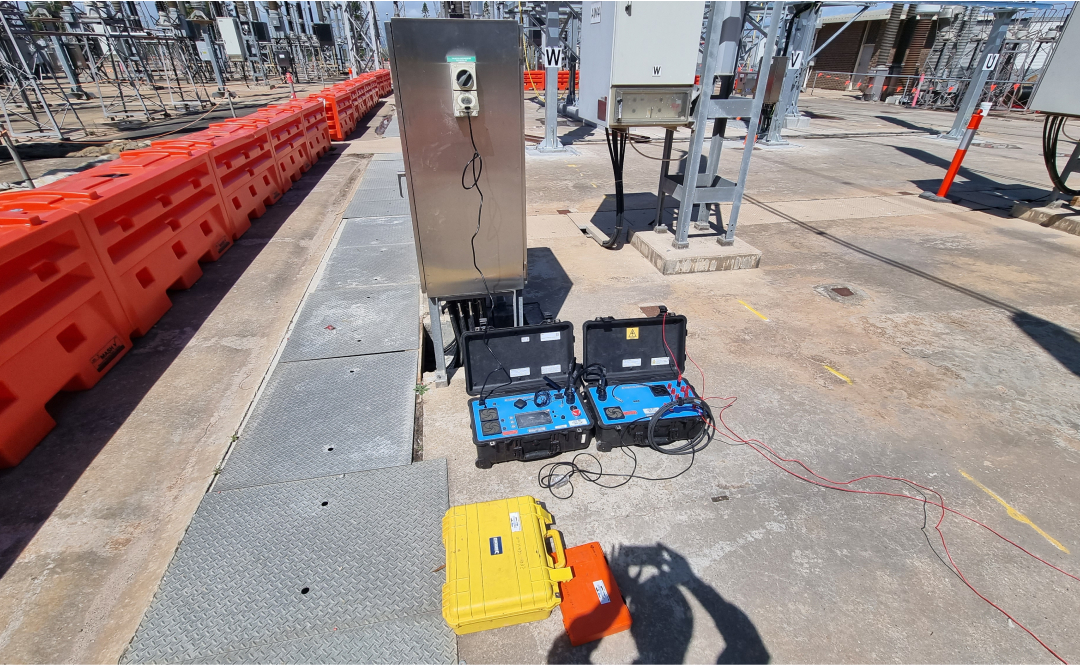
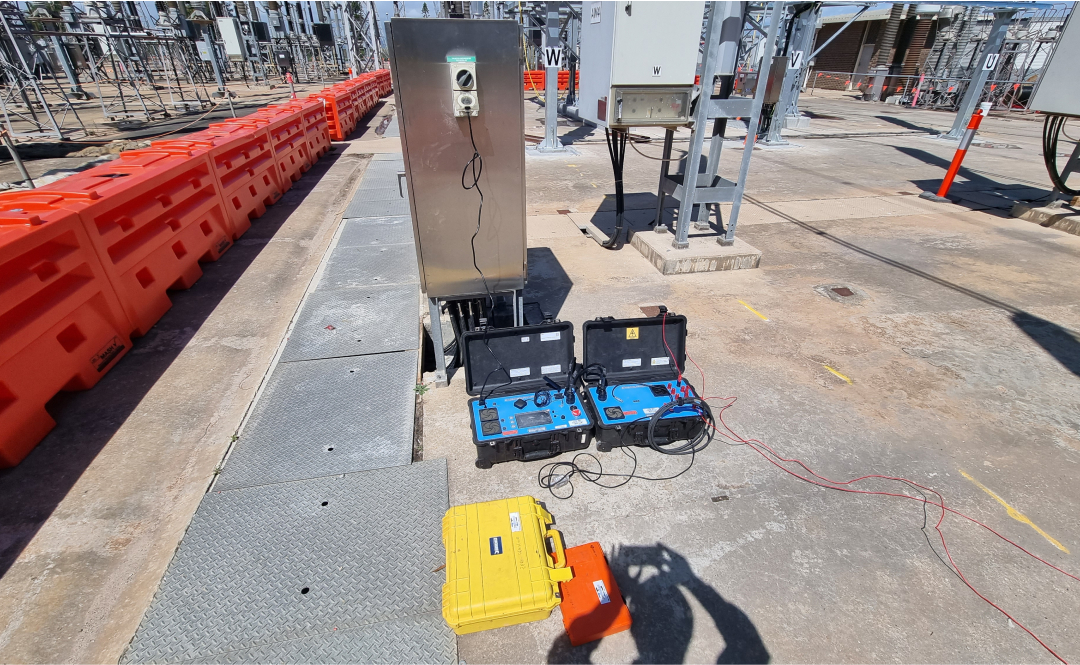
When pipelines and high voltage lines are near each other, potential electrical hazards arise. The AS4853 electrical hazards standard is becoming an industry trend for risk assessment. Hazards to pipelines from HV lines include Earth Potential Rise, Low Frequency Induction and Capacitive Coupling. We partner with qualified corrosion control engineers to conduct pipeline field assessments and to mitigate corrosion due to AC hazards.

What is Pipeline Electrical Hazard Assessment

A pipeline electrical hazard assessment is a systematic evaluation of the electrical hazards and risks associated with pipelines that run in close proximity to electrical power lines or high voltage (HV) equipment. This assessment is typically conducted to identify and mitigate potential electrical safety risks and ensure the safe operation of the pipeline system.

  1. Electrical Fields: Assessing the electrical fields generated by overhead power lines or HV equipment to determine the potential for induced voltages on the pipeline.
  2. Earth Potential Rise (EPR): Evaluating the rise in ground potential during fault conditions in the electrical power system and assessing its impact on the pipeline.
  3. Low Frequency Induction (LFI): Analyzing the risk of induced voltage on the pipeline due to faults in nearby electrical systems.
  4. Capacitive Coupling: Evaluating the potential for voltage induction on unearthed pipelines located beneath or near high voltage lines.
  5. Fault Currents: Assessing the effects of fault currents from nearby electrical systems on the pipeline’s integrity.
  6. Mitigation Measures: Recommending and implementing mitigation measures to reduce electrical hazards, such as installing grounding systems, equipotential bonding and cathodic protection.
  7. Compliance Documentation: Preparing documentation and reports that demonstrate compliance with relevant industry standards and regulations.

Benefits of Pipeline Electrical Hazard Assessment

Pipeline electrical hazard assessments are essential to ensure the safety of pipeline operations and to protect personnel and the environment. The specific requirements and methodologies may vary based on local regulations and industry standards.

  1. Safety: To ensure the safety of personnel working near or on the pipeline, as well as the general public in the vicinity.
  2. Asset Protection: To protect the pipeline infrastructure and related equipment from damage caused by electrical faults, induced voltages or lightning strikes.
  3. Regulatory Compliance: To ensure compliance with industry standards, regulations and guidelines related to electrical safety and hazard assessment.

Download Our
Capability Statement​

Discover more about Zero Sequence Earthing. Access our Capability Statement by clicking the link for valuable insights.

Need Expert Earthing
Design & Testing?

Download Our Capability Statement

Fill out the form below to discover more about Zero Sequence Earthing. Access our Capability Statement by clicking the link for valuable insights.